Many AI campaigns begin with a still image and only later ask how it should move. A motion-first approach reverses that logic by defining rhythm, camera behavior, transition language and scene progression before final generation.
This changes the role of the key frame. It becomes a point inside a sequence rather than a poster that must somehow be animated after the fact.
Planning movement early also makes it easier to decide what should be generated, shot conventionally, animated, composited or finished manually.
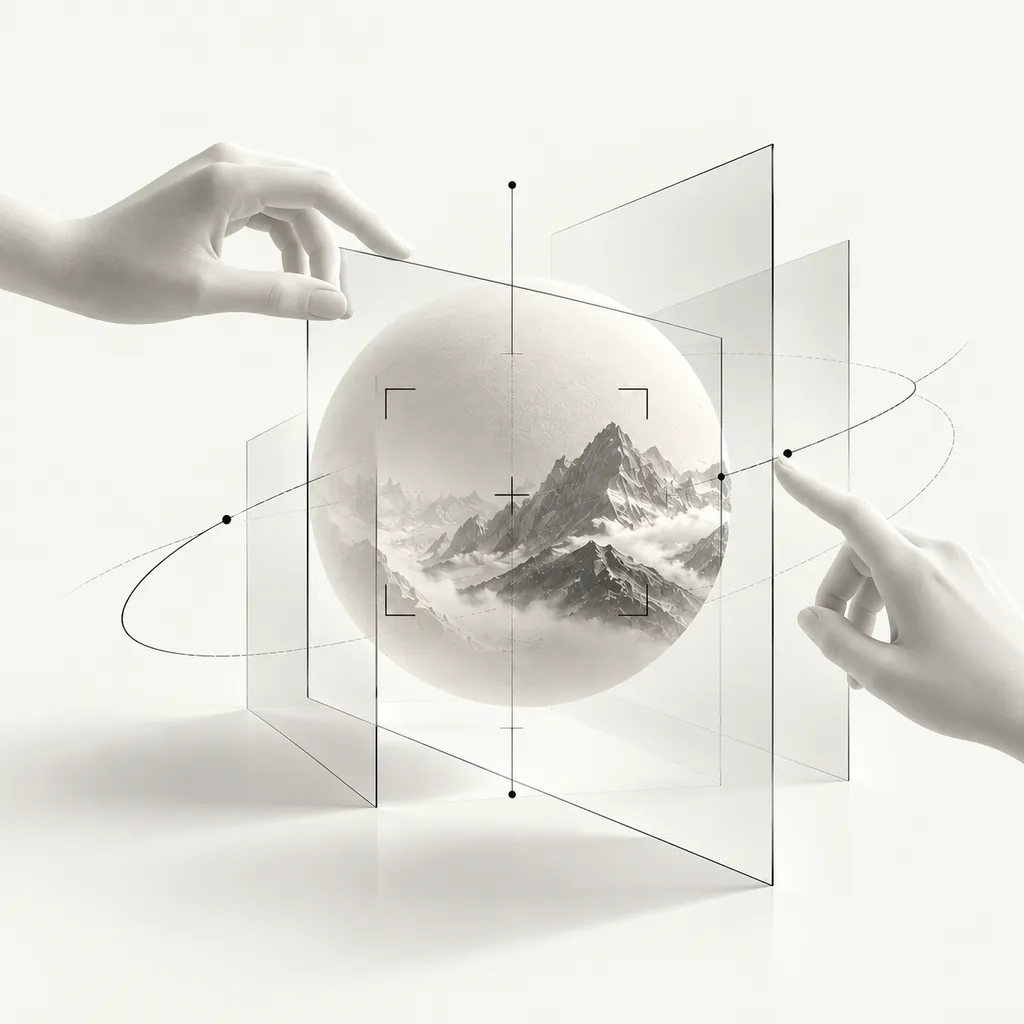
The result is a film language that can travel naturally into cutdowns, social edits, display loops and campaign stills without feeling like disconnected deliverables.
Technology can expand the range. Taste, context and craft still decide what should remain.